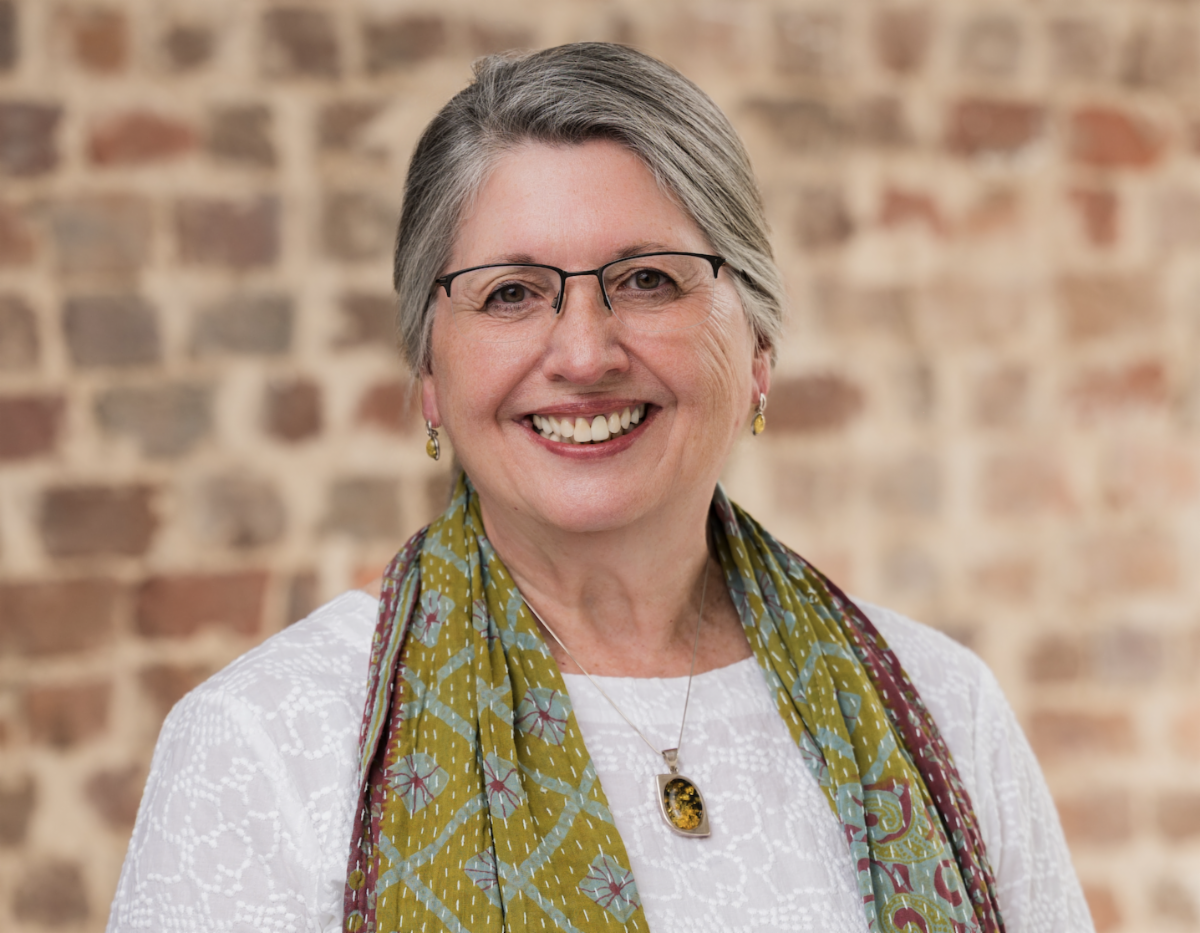
D. Joy Riley, M.D., M.A.
Executive Director
What do you think about organ donation? Does any one (or more) of these choices describe your position?
1) Organ donation is an unadulterated good.
2) Organ donation is a privilege and/or a responsibility.
3) Organ donation should be voluntary.
4) Organ donation should be a reality for all who die, if their organs are transplantable.
5) The potential organ donor should decide for him/herself.
6) The families of persons declared brain dead should have some say in the process of organ donation.
7) An organ donor should be dead before the organs are harvested.
8) Organ donation should not cause the death of the donor.
9) Taking unpaired organs (like the heart) from a donor who is alive is not permissible.
10) Taking unpaired organs (like the heart) from a donor who is alive is permissible.
The so-called “Dead Donor Rule” is described by numbers seven and eight above. That is, organ donors should be dead before their organs are taken from their bodies, and the taking of the organs (“harvesting of the organs”) should not cause the death of the donor. There is a movement afoot to change that; or to use the euphemism recently used in The New England Journal of Medicine, “to contextualize the dead donor rule.”
Drs. Winberg, Ball, and Truog argue that in an era of “voluntary euthanasia” where clinicians administer “life-ending interventions,” we need to contextualize or reinterpret the dead donor rule. They posit that the first “contextualization” of the dead donor rule occurred in 1968, when the concept of brain death was put forward. They write, “This shift was triggered not by the discovery of new biologic facts, but by advances in critical care medicine that created ethical discomfort with the continuation of life-sustaining treatments in patients with catastrophic neurologic injury.” Another “contextualization” occurred when patients, sustained on ventilators, did not progress to brain death, and “for whom further treatment was deemed non-beneficial.” That gave rise to donation after death determination by circulatory criteria (DCD). Such patients as described on ventilators are wheeled to the operating room, and the life-sustaining therapies are discontinued. After the heart stops beating for a time (up to five minutes), then organ procurement proceeds.
Now, the authors of the NEJM article claim, it is time to “contextualize” the Dead Donor Rule once again. After all, organ donation after euthanasia is already happening in Belgium, Canada, the Netherlands, and Spain. This means that a person, having given their permission, is actively killed, and then their organs are harvested to be transplanted. Quebec alone reported a rise from eight cases in 2018 to 24 cases in 2022. The transplantation results, in terms of functioning grafts, are similar to those with “conventional DCD,” according to the authors.
What will the populace – potential donors all – think about this further “contextualization” of the Dead Donor Rule? Will it proceed blithely to be incorporated into American (and other) medicine? Or will some cry “Foul” when they learn of the legerdemain previously used to usher in the concept of brain death, and the machinations of declaring death to perform DCD?
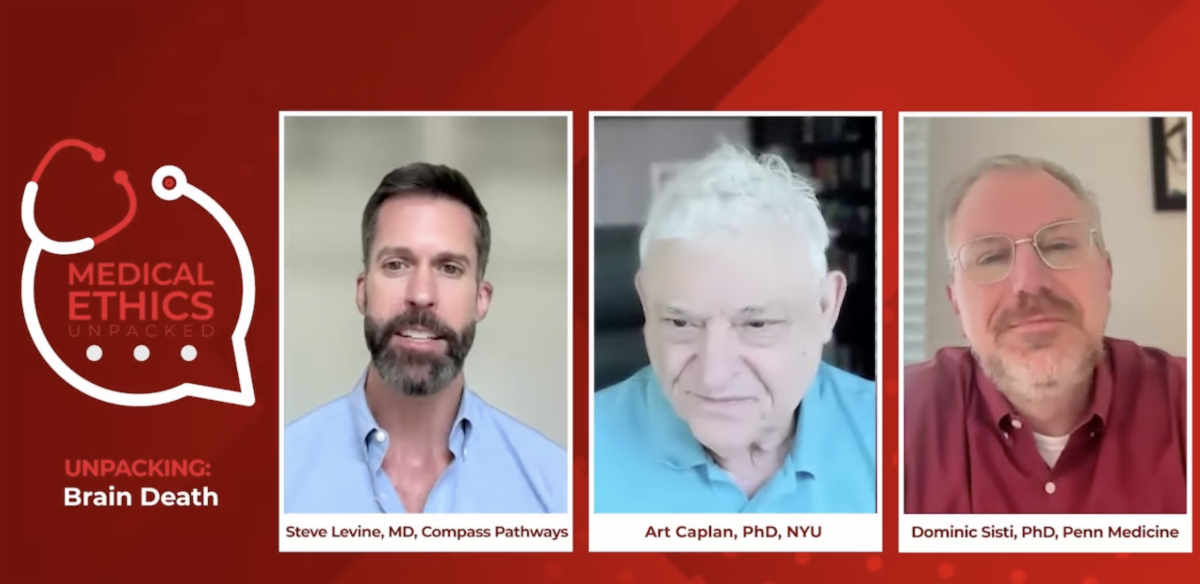
There is more. Consider the idea of the “newly dead,” or “neomorts.” Art Caplan, Ph.D., discussed this with Dominic Sisti, Ph.D., recently in a YouTube video, Medical Ethics Unpacked: The History and Ethics of Brain Death. Caplan acknowledged helping set up a unit at NYU where “neomorts,” newly dead people who desired to donate their organs but for some reason were unable to do so, are used for experiments. These experiments may be to test new drugs, among other things. Caplan states that there are many such units in the country. He assures his audience that this is done only with persons who have chosen to donate their organs (but cannot) – there is no drafting of unwilling persons.
| But, as a philosopher friend pointed out to me in a recent discussion of this, what about informed consent? Do the patients described by Caplan desire to be research subjects? Is that what they meant when they agreed to become organ donors? No one necessarily knows. It is the family (of a person who desired to be a donor) which is approached for permission to keep their loved one ventilated and perfused (circulating blood) for 72 hours or so after death is pronounced in order to do experiments upon them. |
There are numerous calls to action that could be written here. One starting point would be to inform your family and healthcare professionals clearly about your goals and desires regarding the handling of your body upon death. A caveat here: you may first need to discuss what exactly constitutes death. Making your desires known in written form is also a good idea. Prepare yourself to answer such a query from a healthcare institution for a family member or friend. To do that, you will need to know how they want their deceased body handled or used.
Further, you may want to know if a center for “neomort” study is in your area. That would be a good question to pose to your healthcare professional, your hospital, or your legislator.