

Joyce A. Shelton, Ph.D.
Professor of Biology Emerita
Trinity International University
Recently, the Parliament of Scotland (building pictured above) displayed an uncommon act of “Scotch courage”, which had everything to do with moral fortitude and nothing to do with whiskey. On 17 March 2026, following months of debate, the Scottish Parliament voted independently from the rest of the United Kingdom to reject a bill that would allow medical assistance in dying to terminally ill adults. Apparently, this bill, when originally proposed over two years ago, had strong support from parliamentarians. But a rigorous and passionate four-day debate before the final vote proved to dissuade many previous supporters. The bill was defeated 69 to 57.
This defeat is significant because medical assistance in dying (also termed MAID, MAiD, or physician-assisted suicide) is such a prominent issue in our contemporary culture. It’s courageous because they said no in a climate where yes is becoming the more frequent answer. MAID bills often engender lengthy months, even years, of debate. Weary legislators are worn down from the relentless pressure by peers, action groups, and constituents to show compassion, end suffering, and uphold autonomy of choice for the dying, until they eventually select expedience over life-affirming moral principles and just vote to pass the bill.
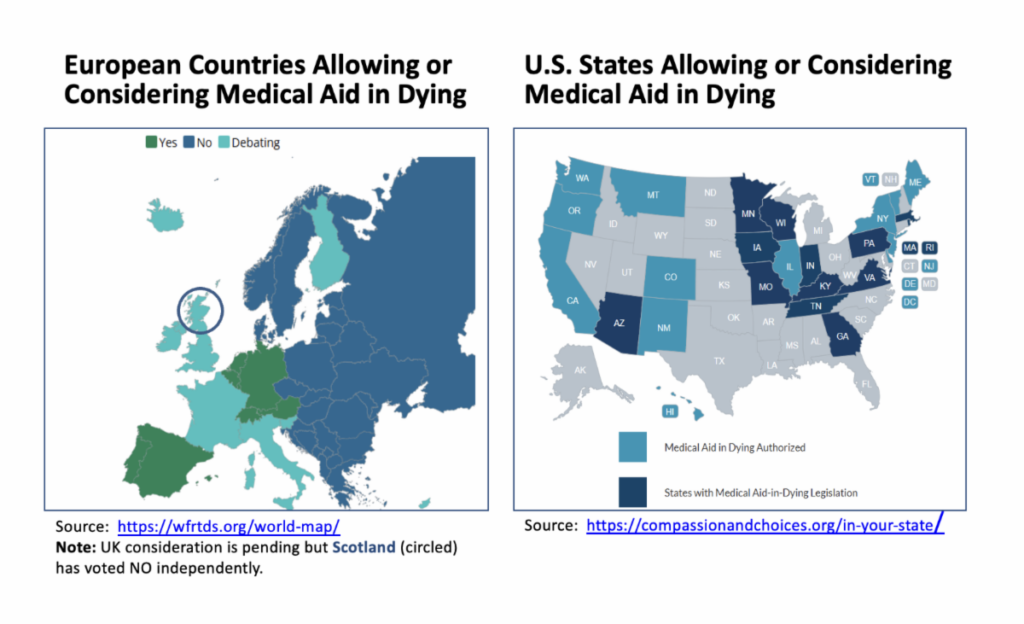
In Western Europe, medically assisted dying is now legal in seven countries (the Netherlands, Belgium, Luxembourg, Spain, Switzerland, Austria and Germany), and legislation is being considered in several more, including the UK. In the United States, thirteen states plus Washington, D.C. (California, Colorado, Delaware, Hawaii, Illinois, Maine, Montana, New Jersey, New Mexico, New York, Oregon, Vermont, and Washington) have legalized MAID. In addition, there are at least fourteen other states where MAID legislation is pending. In Canada, since MAID’s legalization in 2016, the number of deaths from medically assisted suicide has numbered over 76,000 people. In 2024 alone, 16,499 people died by MAID, which is 5% of all deaths in Canada. MAID is now the fifth most common cause of death.
Canada also presents a fascinating case study in progressive safeguard reduction from the original legislative boundaries to MAID. Initially in Canada, as with most of the legislation that is proposed including the Scottish bill, the safeguards strictly dictated that only terminally ill patients of sound mind and by their own consent, who are facing death within six months, are eligible for MAID. Over time these restrictions almost always erode. In Canada, for example, in 2021, the law was expanded to remove the requirement for the person’s death to be “reasonably foreseeable.” This change made people with disabilities or chronic illnesses eligible for MAID and opened the door to many more paths to eligibility such as economic distress, old age, and simply a desire to die. Further proposals being considered extend MAID to patients with mental illness, to age groups younger than 18, and to people giving advance consent prior to losing decision-making capacity.
The Scottish Parliament reached their decision to reject MAID through thoughtful discussion of a number of important concerns. Here are some of them:
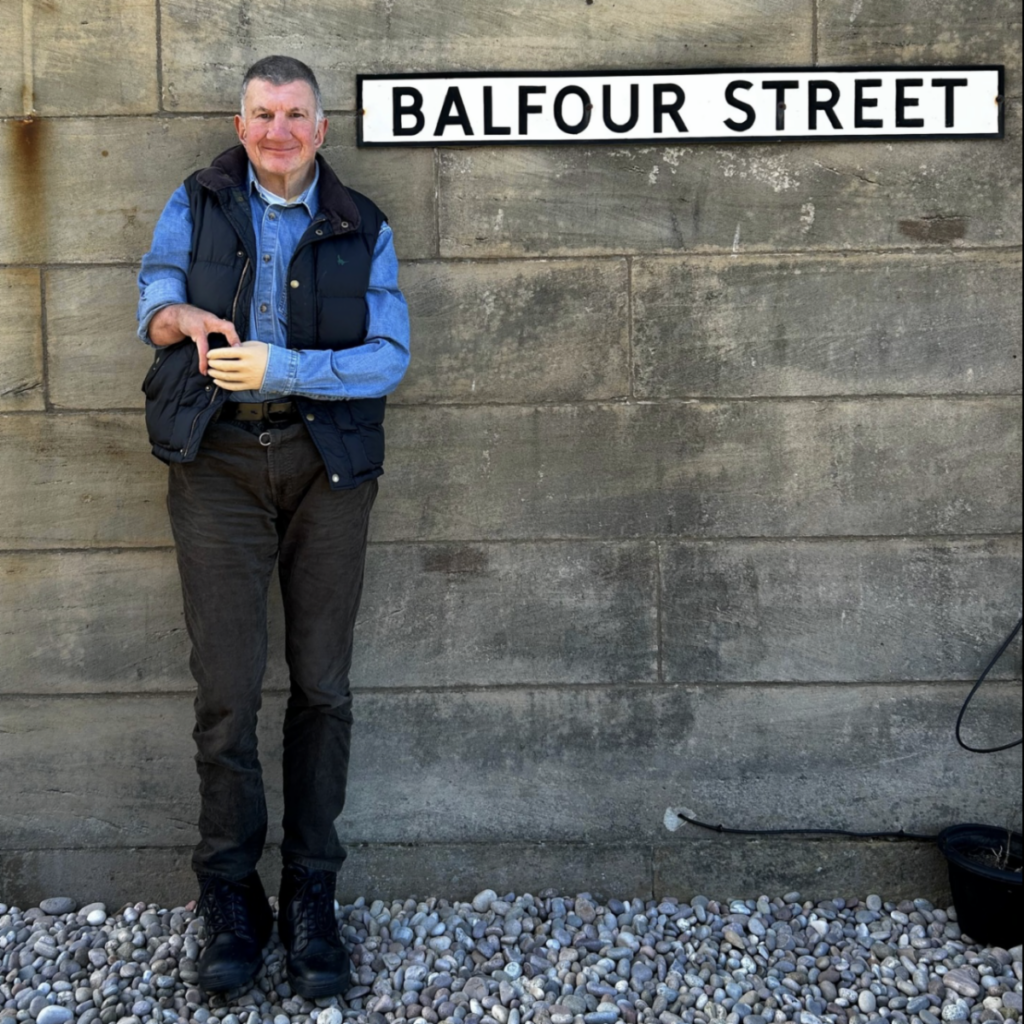
The disabled: “At its heart, the bill sends a deeply disturbing message that some lives, especially the lives of disabled people, are more eligible for ending than others…That is a message that the Parliament must never, ever send.” — Jeremy Balfour, MSP
Palliative care: “I believe that people should not be presented with a choice whereby they are forced to choose between unimaginable suffering and premature death. The Government must ensure that palliative care is fully funded and accessible, so that those who face terminal and debilitating illness can receive expert support, pain management and holistic care. As the Scottish Partnership for Palliative Care notes, the desire to hasten death can often disappear when the right care is available. — Douglas Ross, MSP

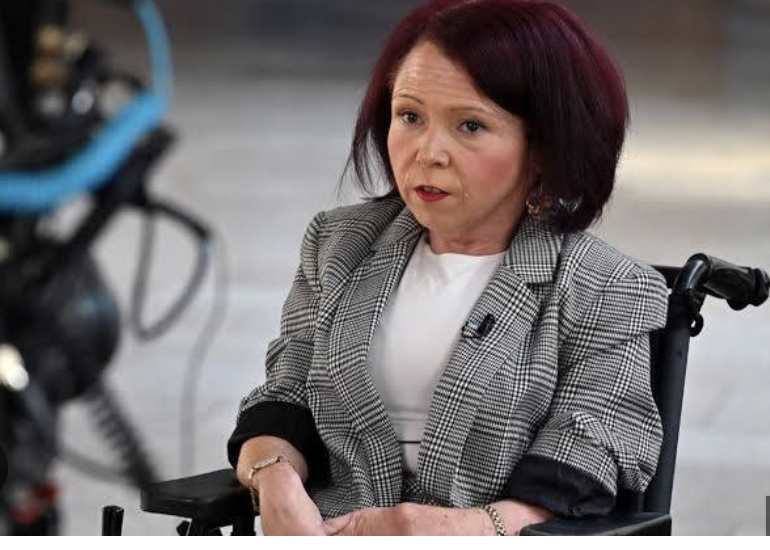
Value of life over suicide: “…The Royal College of Psychiatrists has said, ‘suicide prevention remains a duty when someone is terminally ill’. For someone given a terminal diagnosis, the inevitable loss and grief associated with the end of life should be acknowledged and supported. It is incredibly important that, in all aspects of people’s lives, we help them to understand the value of living and support them to continue doing so.” — Pam Duncan-Glancy, MSP

Pregnancy: “…what happens if a woman who is seeking an assisted suicide is pregnant? Whatever members’ views on abortion might be, pregnancy raises profound legal, medical and ethical questions that the bill simply does not answer. In those circumstances, we are not dealing with one life alone.” — Stephen Kerr MSP for Sue Webber MSP
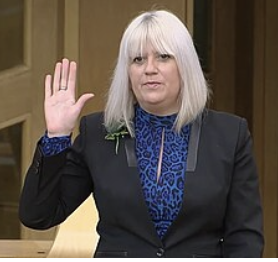

The six-month to death prognosis: “…under the definition as drafted, simply having a terminal progressive condition would be sufficient for eligibility. That could mean that someone could have received such a diagnosis, have it deemed to be progressive and irreversible but still have many years left to live—perhaps even decades… (Such) predictions are highly unreliable and, with modern treatments, such forecasting is pure guesswork. How does the member square the appearance of a safeguard of a six-month prognosis with the reality that doctors, particularly palliative care doctors, say that that is, in their experience, uncertain?” — Kate Forbes, MSP
Coercion: “I have come to the conclusion that, in a society as unequal, discriminatory and sexist as ours, coercion is a risk that is beyond effective mitigation. A Scot can be persuaded that they are a burden by one individual in their own home, or by all 5.5 million of us across the country. The feeling of being a burden financially, practically and emotionally on those whom they love or the community in which they live may bring people to the lonely conclusion that their best choice is to end their life. Clearly, those pressures fall more heavily on the poor, the disabled and the vulnerable. The amendments…seek to give protections against something that can be so insidious that it is extremely difficult to detect or prove… the chances of an independent assessor being able to accurately assess whether or not a person is being coerced are incredibly slim.” — Michael Marra, MSP

The encouraging, well-articulated, and legitimate concerns of these legislators need to be ours as well. Notably, at the end of the day, the issue that had the most impact on the vote was the possibility of patients being coerced, overtly or subtly, into a decision to end their own lives. There was no conceivable way to stop coercion or even discern when it was happening. Thus, a bill that was marketed as creating choices for the dying could not actually provide nor protect free choices for those whom it was ostensibly designed to serve.
In the US, the legalization of medically assisted dying is moving stealthily through our state legislatures. Witness the recent passage of the Illinois MAID bill in the middle of the night. Peer pressure to pass these bills is real and is used to fuel their momentum. The bravery of the Scottish Parliament to stand firm on the side of protecting their constituency from the real harms of this insidious legislation masquerading as compassion for the dying is the hopeful beginning of a resistance movement. We need to pray that our legislators will have the Scotch courage to stand strong on the moral principle of choosing life in our current culture of death.